

10 Surprising Energy Boosting Foods That Support Metabolic Health
Most of my clients come to me having already tried calorie counting, cutting carbs, the "be good all week, fall apart on the weekend" cycle. They're smart, capable, ambitious people, and none of that fixed the actual problem. Because the actual problem usually isn't willpower, it's metabolic flexibility, i.e. how efficiently your body switches between burning carbs and fat for fuel, and how stable your blood sugar stays across the day.
Here's what I want you to know: you don't need a stricter plan. You need the right inputs, consistently. And sometimes that starts with a few overlooked energy boosting foods added into a week that already includes client dinners, travel, and real life.
In this post, you'll learn:
Why these 10 energy boosting foods support metabolic health in a way that fits around a full calendar, not instead of it
What metabolic flexibility actually means, and why it's behind your 3pm crash
How to add these foods in without overhauling how you already eat
A sample day so you can see how it actually looks on a plate
Let's get into it.
What is metabolic flexibility, and why does it matter for your energy?
Metabolic flexibility is your body's ability to switch efficiently between burning carbs and burning fat for fuel, depending on what it has available.
When that system is working well, your blood sugar stays steady, your energy stays level through the afternoon, and you're not fighting your way to 5pm on sweet treats. When it's not, you get the pattern most of my clients come to me with: sharp in the morning, foggy by 3pm, hungry an hour after eating, and reaching for something sweet just to function through the next meeting.
The good news: metabolic flexibility isn't fixed. It responds, often quickly, to the right food choices, made consistently. That's what the rest of this list is built around, real energy boosting foods that support metabolic health, not another restrictive plan.
1. Eggs at breakfast
Not the first food people think of for metabolic health, but it might be the most important one on this list.
Why it helps: Metabolic flexibility starts with your first meal. A protein-forward breakfast, eggs especially, blunts the blood sugar spike that a carb-only breakfast (toast, cereal, a smoothie with no protein) sets off. That spike-and-crash pattern is very often what's behind the 3pm wall and the 4pm hunt for something sweet. Eggs also give you choline, which supports the liver's role in metabolizing fat, something that matters more than most people realize.
How to use it: Two eggs with greens and avocado before your first meeting. Hard boil a batch on Sunday for mornings you're rushing to a train or an airport. Even one egg added to a smoothie or oats moves the needle.
2. Dark leafy greens
Not glamorous, but doing more work than almost anything else on this list.
Why it helps: Leafy greens are rich in magnesium, a mineral involved in over 300 processes in the body, including insulin sensitivity and how your cells respond to stress hormones like cortisol. Most of my clients are quietly magnesium-depleted from stress, caffeine, and alcohol at client dinners, all things that deplete it faster than they can replace it through food alone.
How to use it: Add a handful to your smoothie where you can't taste it, wilt into eggs, or make it the base of your lunch bowl instead of an afterthought garnish.
3. Fatty fish
This one supports metabolic health from a completely different angle: inflammation.
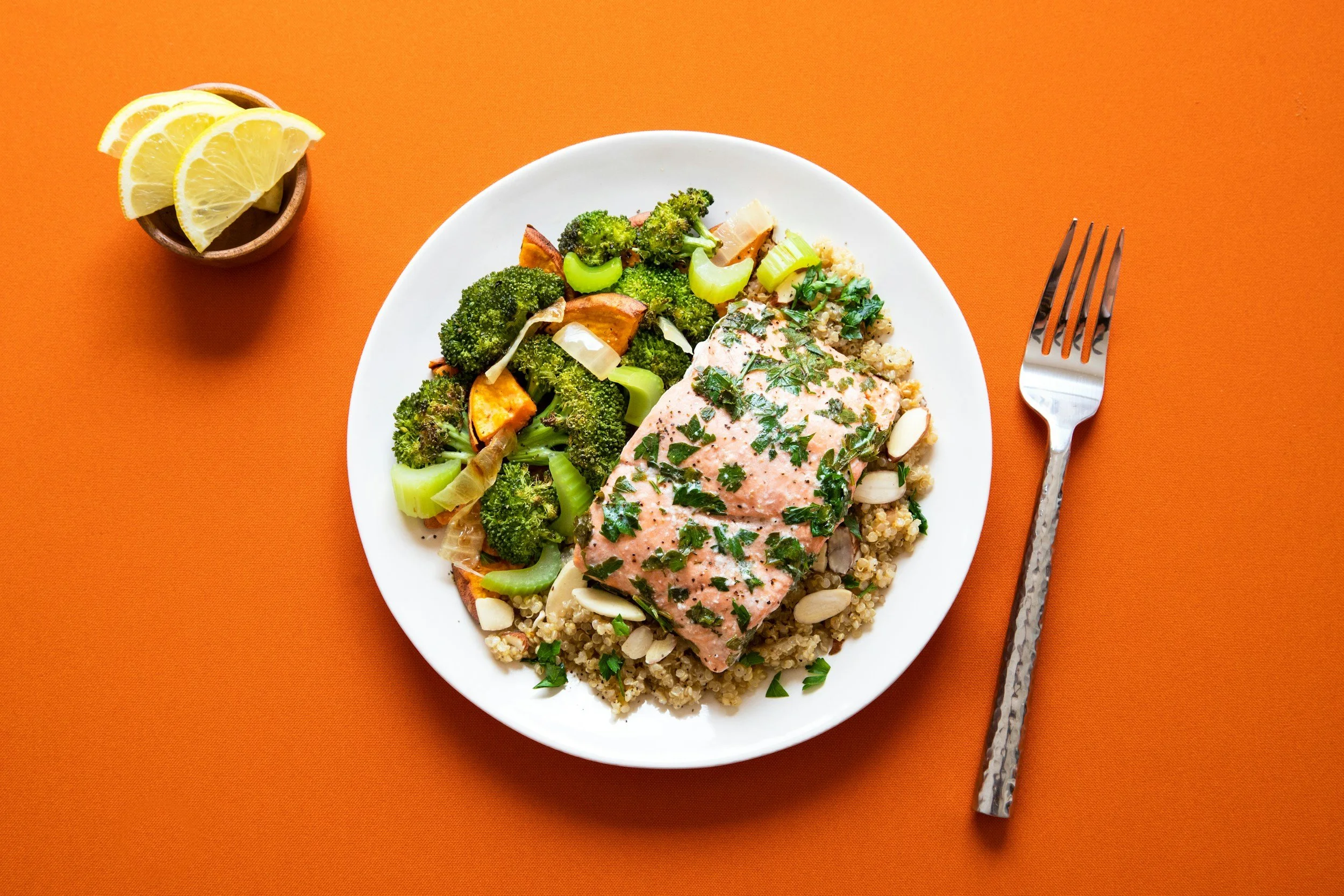
Why it helps: Wild-caught salmon, mackerel, and sardines are rich in omega-3 fats, which help lower the chronic, low-grade inflammation that's increasingly linked to insulin resistance and stalled metabolism. As always, quality and dosage matter here, wild-caught over farmed where you can, and consistency over a single "good" meal.
How to use it: Aim for two servings a week. Salmon at a client dinner counts. Canned sardines on toast for a fast lunch counts too.
4. Fermented foods
Small addition, outsized impact.
Why it helps: Your gut microbiome plays a bigger role in metabolic health than most people are told, it influences everything from blood sugar regulation to how effectively you extract and use nutrients from food. Fermented foods introduce beneficial bacteria that support that whole system.
How to use it: A forkful of sauerkraut or kimchi alongside dinner, a small glass of kefir, or plain yogurt with live cultures at breakfast.
5. Cinnamon
Yes, actually.
Why it helps: Cinnamon has been shown to improve insulin sensitivity, meaning your cells respond more efficiently to the insulin your body releases after eating, which supports steadier blood sugar and fewer crashes. It's one of the easiest, lowest-effort energy boosting foods on this entire list.
How to use it: Stir into oats or coffee, or add to a smoothie. Ceylon cinnamon over cassia where you can find it.
[INSERT IMAGE: mid-post break, flat-lay of cinnamon, oats, and berries]
6. Apple cider vinegar
Not a trend, an actual mechanism.
Why it helps: A small amount of apple cider vinegar before a carb-heavy meal has been shown to blunt the post-meal blood sugar spike. It won't undo a genuinely poor food choice, but as one tool in a stack, it's a real one.
How to use it: A tablespoon in water 10-15 minutes before a meal, or whisked into a salad dressing you're already making.
7. Berries
The sweet option that actually works in your favor.
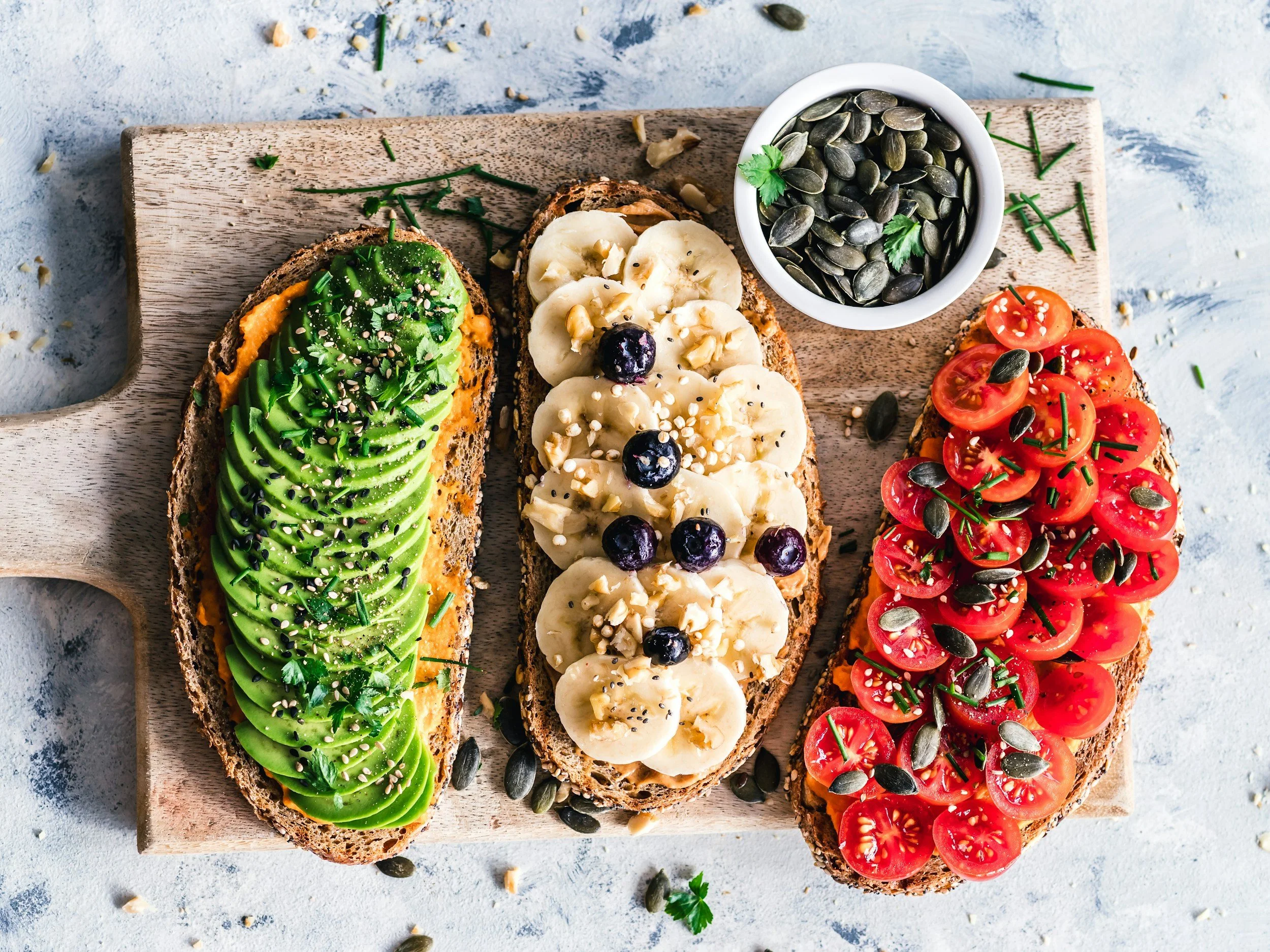
Why it helps: Berries are lower in sugar than most fruit and high in fiber and polyphenols, plant compounds that support insulin sensitivity and help slow the rate sugar hits your bloodstream. They're also one of the easiest swaps for the mid-afternoon sweet craving that shows up when energy dips.
How to use it: A handful with Greek yogurt, blended into a smoothie with protein, or eaten straight as the 4pm alternative to whatever's in the office snack cupboard.
8. Pumpkin seeds
Small, easy to forget, worth remembering.
Why it helps: Another strong source of magnesium, alongside zinc and healthy fats. If you're someone who travels for work or eats out often, pumpkin seeds are one of the few metabolic health foods that survive a carry-on bag and a hotel room with no kitchen.
How to use it: A small handful as an afternoon snack instead of the vending machine, or sprinkled over salads and bowls.
9. Legumes
The fiber food most ambitious professionals quietly skip.
Why it helps: Lentils, chickpeas, and beans slow digestion and blunt blood sugar spikes far more effectively than refined carbs alone. Fiber is one of the most consistently underrated levers for metabolic health, and it's one almost nobody is eating enough of.
How to use it: Add lentils to a soup you're already making, chickpeas to a salad, or black beans to eggs at breakfast for a combination that keeps you full for hours, not 90 minutes.
10. Extra virgin olive oil
The fat that does more than you'd think.
Why it helps: Olive oil is rich in monounsaturated fats and polyphenols that support insulin sensitivity and help slow how quickly a meal's carbohydrates hit your bloodstream when eaten together. It's also one of the easiest ways to make a client dinner work in your favor instead of against it, order the dish with olive oil rather than the cream sauce, and you're already ahead.
How to use it: Drizzle generously over vegetables, salads, and finished dishes. Cooking with it at moderate heat is fine; save the highest-heat cooking for more heat-stable fats.
A quick myth-bust before we move on
If you've been told metabolic health means cutting carbs entirely or fasting harder, that's not what the research actually supports, and it's not what I see working with clients.
Metabolic flexibility isn't built through extremes. It's built through the small, repeatable choices you make every single day, the ones that fit around client dinners and long-haul flights instead of asking you to opt out of them.
Sample day using energy boosting foods for metabolic health
Not sure where to start? Here's what a realistic day looks like:
Morning: Start with eggs, greens, and avocado, or a protein smoothie with a handful of berries and a spoon of ground flax or pumpkin seeds stirred in. This sets your blood sugar up to stay steady for hours, not crash by 10am.
Midday: Build a bowl with a base of leafy greens, a serving of legumes, and a drizzle of olive oil. If lunch is a client meeting, order the protein and vegetables, olive oil over cream-based sauces, and don't skip it just because it's a work meal.
Afternoon: Berries and a small handful of pumpkin seeds instead of the 3pm vending machine run. This is the swap that ends the sugar spike and crash cycle for good.
Evening: Fatty fish, a fermented side like sauerkraut or kimchi, and vegetables finished with olive oil. If dinner is with clients or family, the same principles apply, protein and vegetables first, sauces and starches in moderation, not eliminated.
Pick two or three of these to start with this week. You don't need to overhaul everything on day one.
Bringing it home
Fixing your metabolic health with the right energy boosting foods was never about doing everything perfectly, cutting out every food group, or finding more willpower. It's the small, consistent choices, the ones that fit into a calendar that includes client dinners and red-eye flights, that actually move the needle over time.
You're not settling for where you are. Your energy shouldn't be either.
If you want a plan built specifically around your real life, not a fantasy version of it, that's exactly what we build together inside The Realign Method.